


Is Curaçao in the Hurricane Belt?
Why TUI BLUE Curaçao Is Different
👁️ 3 MIN READ
Short answer: No. Curaçao is located outside the primary Atlantic hurricane belt. Its southern Caribbean position, just north of the North America continent, keeps it largely protected from direct hurricane strikes making it one of the safest year-round islands in the Caribbean for travelers.
Unlike many northern Caribbean destinations, Curaçao rarely experiences major tropical storm impacts. Most hurricanes form in the tropical Atlantic and track northwest toward islands such as Puerto Rico, the Dominican Republic, Jamaica, the Bahamas, and Florida.

Why Curaçao Is Rarely Hit by Hurricanes
Curaçao is part of the ABC Islands (Aruba, Bonaire, and Curaçao). The island sits at roughly 12° north latitude, placing it south of the main hurricane corridor where most Atlantic storms travel. Hurricanes typically develop off the coast of West Africa and move westward across the Atlantic before gradually curving north due to global wind patterns and the Coriolis effect.
As they move through the Caribbean, they generally track toward:
- Puerto Rico
- Dominican Republic
- Jamaica
- The Bahamas
- Florida and the Gulf Coast
Because Curaçao lies much farther south, —closer to South America, —most storms curve north long before reaching the island.
Historical Hurricane Activity
Direct hurricane landfalls in Curaçao are extremely rare. Historical records show that the last major hurricane to directly impact the island occurred in 1877, known locally as Orkan Grandi. Since modern hurricane tracking began in the 20th century, not one hurricanes have made a direct landfall on Curaçao. While the island may occasionally experience outer rain bands, gusty winds, or brief heavy rainfall from distant storms, widespread hurricane damage is highly uncommon compared to northern Caribbean islands.
Because of its southern latitude:
- Direct hurricane landfalls are extremely rare
- Storm systems typically weaken or turn north before reaching the island
- Major travel disruptions are uncommon
These factors make Curaçao one of the most weather-stable destinations in the Caribbean.
What Does Hurricane Season in Curaçao Look Like (June–November)?
The official Atlantic hurricane season runs from June 1 through November 30. During this period, Curaçao typically experiences only occasional outer rain bands or short tropical showers rather than direct hurricane impacts.
In September, the northeast trade winds can temporarily weaken as regional weather patterns shift during the peak of the Atlantic hurricane season. When the breeze softens, Curaçao can feel warmer and slightly more humid
Unlike many northern Caribbean islands, widespread closures or evacuations are very uncommon. This is one reason travelers confidently book
all-inclusive stays year-round, especially when dining, drinks, and entertainment are already
included in the experience
Curaçao Weather Overview
| Month | Avg Temp (°F) | Rainfall | Hurricane Risk |
|---|---|---|---|
| Jan–Apr | 80–85 | Low | Very Low |
| May–Aug | 82–88 | Low | Low |
| Sep–Oct | 83–89 | Moderate | Low |
| Nov–Dec | 80–86 | Moderate | Very Low |
The island enjoys:
- Year-round sunshine Over 300 sunny days per year
- Stable tropical climate
- Cooling trade winds
How Safe is Curacao’s West Coast Safest Areas to Stay
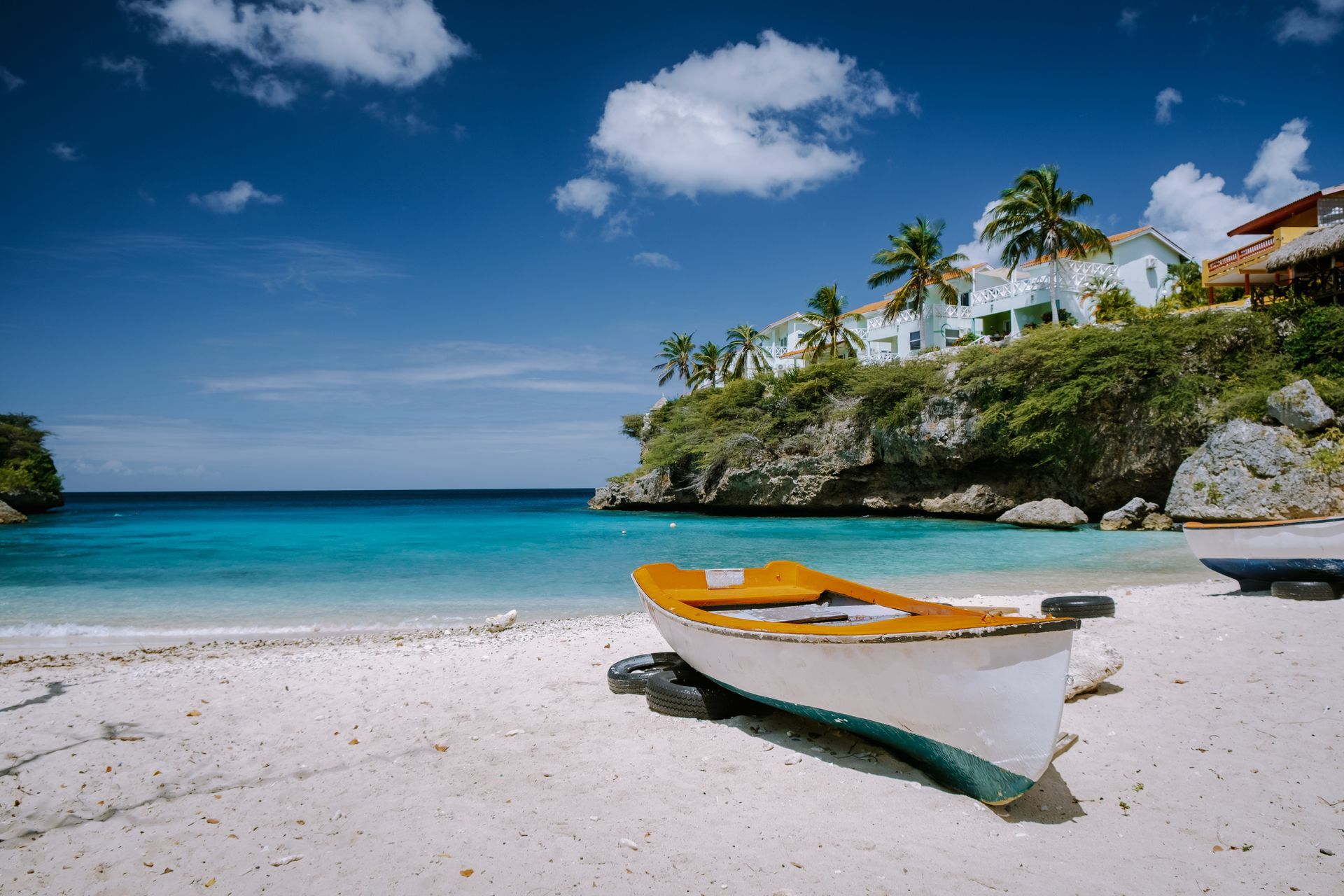
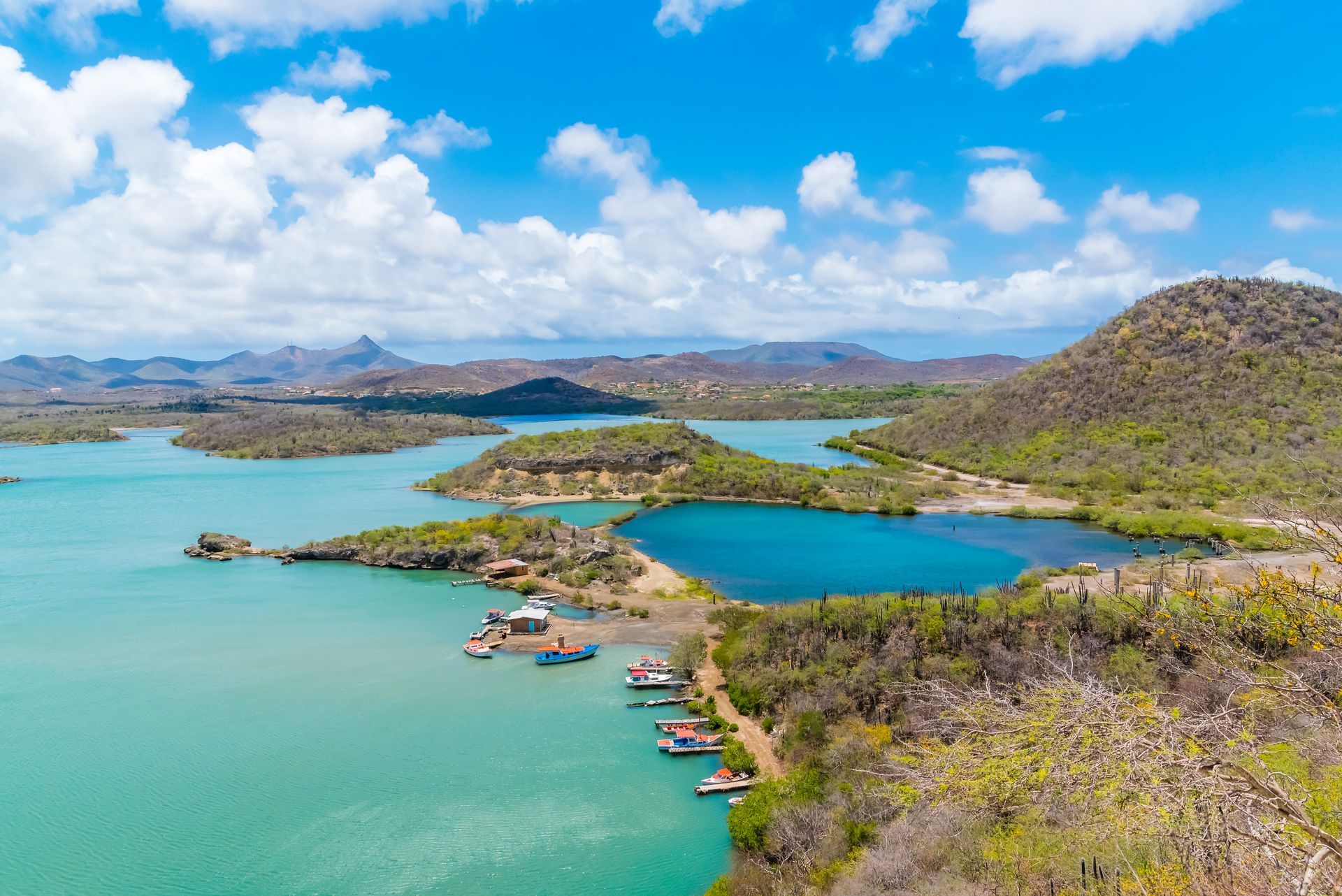
Curaçao’s western coast is a very safe place to stay and known for its natural beauty, quiet atmosphere, and some of the island’s most spectacular beaches. From here, travelers can easily explore famous spots such as Playa Kenepa, Playa Lagun, and Shete Boka National Park.
This side of the island offers a more relaxed, nature-focused experience compared to the livelier areas closer to Willemstad. TUI BLUE Curaçao is located in this peaceful setting, surrounded by scenic coastline while still allowing guests to explore the island’s cultural highlights, including Willemstad’s colorful UNESCO-listed waterfront, about a 40-minute drive away.
For added comfort, many guests choose swim-up accommodations with direct pool access, allowing them to step from their terrace straight into the water.
➤
Why Curaçao’s West Side Is the Caribbean’s Best-Kept Secret
Why Curaçao is ideal during Hurricane Season
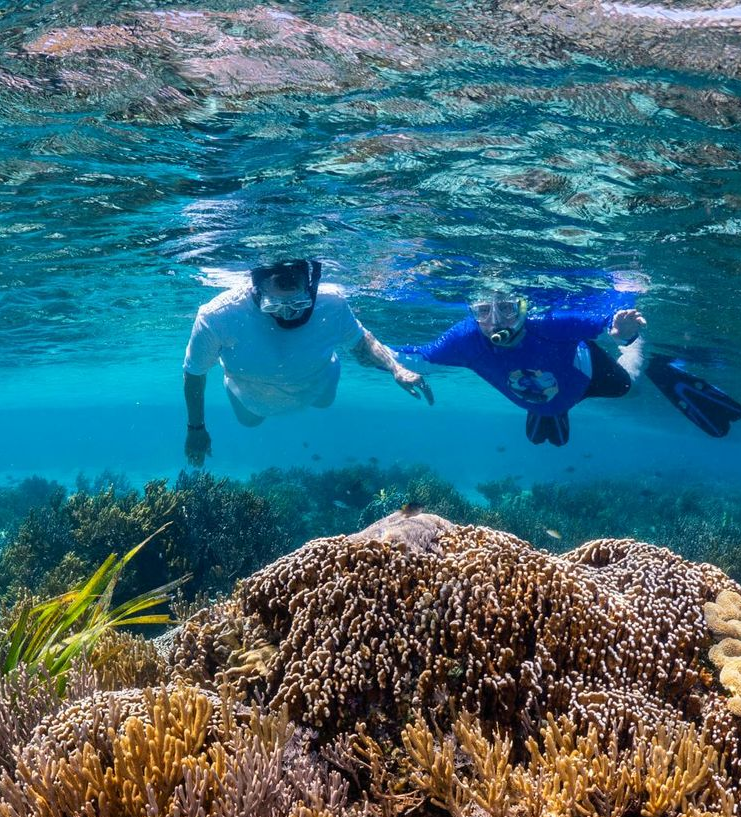
Even during hurricane season, Curaçao remains an attractive Caribbean destination. Thanks to its location outside the primary Atlantic hurricane belt, the island typically enjoys stable weather, warm waters, and steady trade winds. Travelers often find fewer crowds and better travel rates in late summer, while still being able to enjoy calm beaches and outdoor activities. For couples in particular, this combination creates the perfect setting for a relaxed and romantic Caribbean escape without the constant worry of storm disruptions.

Frequently Asked Questions
Is Curaçao in the hurricane belt?
Curaçao is located outside the primary Atlantic hurricane belt in the southern Caribbean. Because of its position near South America, direct hurricane landfalls are extremely rare compared to northern Caribbean islands.
Does Curaçao get hurricanes?
Curaçao is located outside the primary Atlantic hurricane belt in the southern Caribbean. Because of its position near South America, direct hurricane landfalls are extremely rare compared to northern Caribbean islands.
Is Curaçao safe to visit during hurricane season?
Yes. Curaçao is considered one of the safest Caribbean islands during hurricane season due to its southern location and low historical frequency of direct storm hits.
What months have the lowest hurricane risk in Curaçao?
January through May typically have the lowest rainfall and minimal storm activity. However, Curaçao maintains relatively low hurricane risk throughout the year.
YOU MAY ALSO LIKE:
Why Curaçao’s West Side Is the Caribbean’s Best-Kept Secret
When travelers dream of the Caribbean, they often picture familiar hotspots packed...
What Makes Curaçao a Perfect All-Inclusive Destination for Families and Couples
Curaçao has long been a favorite for travelers who crave more than just beach time...
Top 10 Reasons to Visit Curaçao for Your Next Caribbean Vacation
Colorful, cultural, and effortlessly cool Curaçao is a Caribbean island unlike...